


- Plain Cloth
- Daily Wear
- Humble Protection
Commoner's Tunic
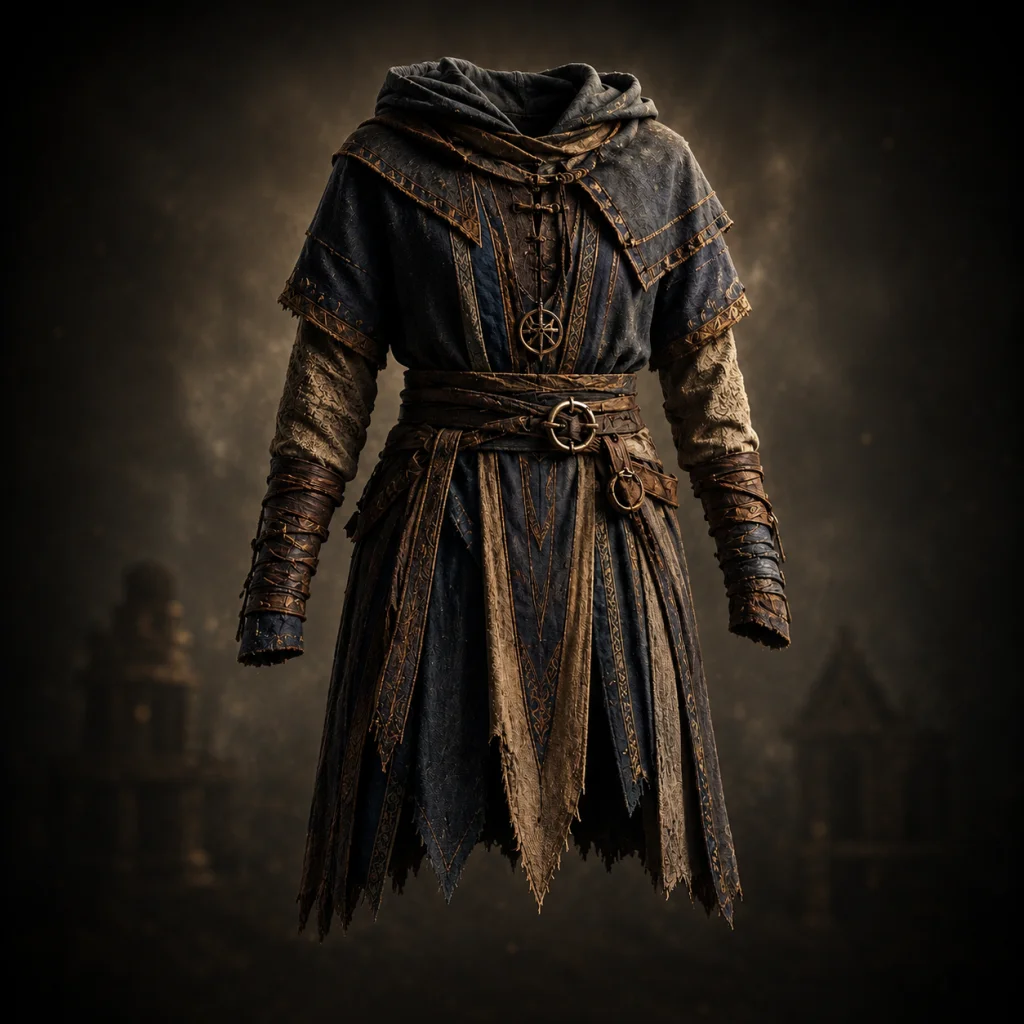
The commoner's tunic is simple cloth protection made for work before warfare. It is usually cut from plain linen or wool, stitched for movement, and shaped to survive long days of hauling, walking, mending, carrying, and occasionally being shoved into trouble by people with better armor. Its seams are practical, its fabric modest, and its beauty lies in the fact that it does exactly what it is meant to do without asking for applause.
Though called armor by generous merchants and desperate travelers, it offers little more than basic coverage against scrapes, weather, and the indignity of standing around in public with nothing respectable on. Still, a well-made tunic matters. It keeps the wearer warm enough, decent enough, and ready enough to work, flee, bargain, or get dragged into someone else’s heroic nonsense before supper.
Its significance comes from how ordinary it is. Nobles may polish steel and decorate silk, but most lives begin in cloth like this: worn at markets, fields, roadside camps, taverns, and village thresholds. A commoner's tunic carries sweat, smoke, dust, spilled ale, and the stubborn dignity of people who keep the world standing while better-dressed fools argue over who owns it.
Though called armor by generous merchants and desperate travelers, it offers little more than basic coverage against scrapes, weather, and the indignity of standing around in public with nothing respectable on. Still, a well-made tunic matters. It keeps the wearer warm enough, decent enough, and ready enough to work, flee, bargain, or get dragged into someone else’s heroic nonsense before supper.
Its significance comes from how ordinary it is. Nobles may polish steel and decorate silk, but most lives begin in cloth like this: worn at markets, fields, roadside camps, taverns, and village thresholds. A commoner's tunic carries sweat, smoke, dust, spilled ale, and the stubborn dignity of people who keep the world standing while better-dressed fools argue over who owns it.