

- Human But Strange
- Fey Instincts
- Uncanny Charm
Fey-Touched
Among ordinary villages, farmsteads, kitchens, workshops, and tavern corners, the Fey-Touched are the ones people notice before they know why. They may carry water, mend fences, serve tables, work fields, or haggle over bread like anyone else, but something about them catches the light wrong in the most inconveniently interesting way. A smile lingers too long in memory. A glance feels like it heard more than was said. A quiet step makes lanterns nervous.
They remain bound to the same hard rhythms as other common folk: weather, hunger, duty, gossip, family, work, and the demands of those with cleaner hands and louder titles. Their strangeness does not spare them labor or hardship. If anything, it gives hardship better aim. Charm may open doors, but suspicion locks them twice, and an unlucky whisper can turn a useful gift into tonight’s tavern scandal.
Their lives are shaped by the art of almost belonging. Some learn to hide every shimmer, instinct, and impossible hunch beneath plain manners and tired smiles. Others lean into the strange with a wink, a song, and the dangerous confidence of someone who knows attention can be a blade or a kiss depending on who is holding it.
What makes them compelling is the tension between human grit and impossible grace. They are not distant wonders drifting above mortal life; they are mortal life with candleflames bending toward it. They endure, flirt with trouble, read rooms too well, and survive by knowing when to charm, when to vanish, and when to let the world regret noticing them first.
They remain bound to the same hard rhythms as other common folk: weather, hunger, duty, gossip, family, work, and the demands of those with cleaner hands and louder titles. Their strangeness does not spare them labor or hardship. If anything, it gives hardship better aim. Charm may open doors, but suspicion locks them twice, and an unlucky whisper can turn a useful gift into tonight’s tavern scandal.
Their lives are shaped by the art of almost belonging. Some learn to hide every shimmer, instinct, and impossible hunch beneath plain manners and tired smiles. Others lean into the strange with a wink, a song, and the dangerous confidence of someone who knows attention can be a blade or a kiss depending on who is holding it.
What makes them compelling is the tension between human grit and impossible grace. They are not distant wonders drifting above mortal life; they are mortal life with candleflames bending toward it. They endure, flirt with trouble, read rooms too well, and survive by knowing when to charm, when to vanish, and when to let the world regret noticing them first.
- Glacial Ritualists
- Preservation Obsession
- Frost-Rimed Flesh
Frostborne
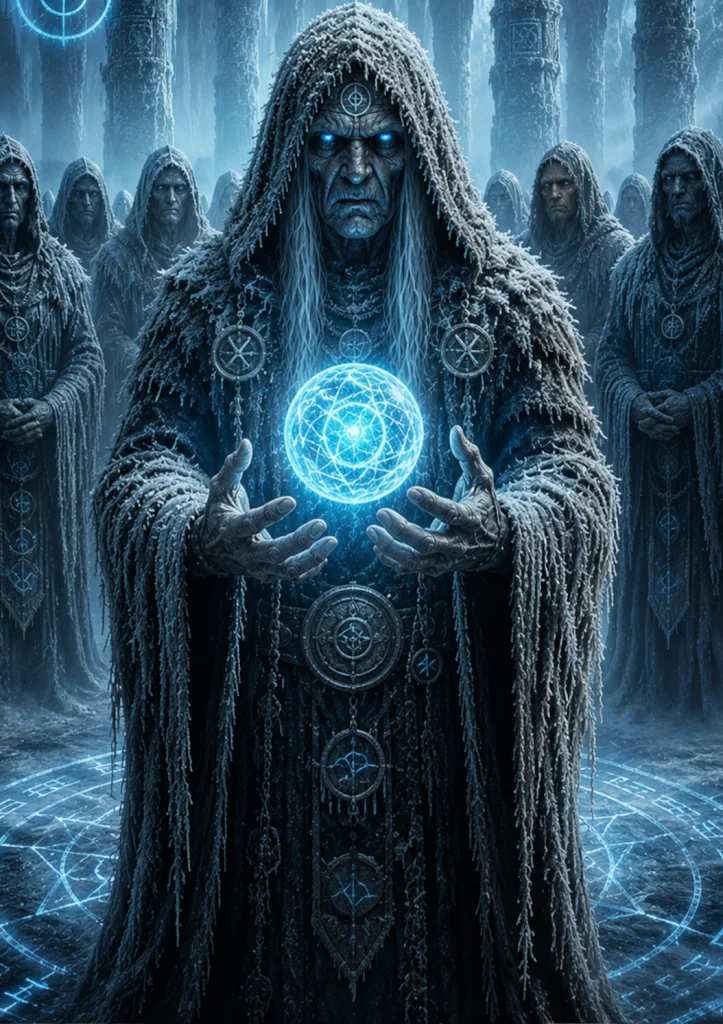
Frostborne culture revolves around preservation, endurance, memory, and resistance to decay. Most communities are built within glacial caverns, frozen mountain monasteries, buried crypt-cities, or isolated polar fortresses hidden beneath permanent snowfall.
They value:
patience over passion,
restraint over excess,
continuity over change.
Many Frostborne view emotional impulsiveness as dangerous instability, leading outsiders to perceive them as cold, detached, or emotionally distant.
Ancestor preservation plays a major role in many Frostborne societies. Elders are often preserved through ritualized freezing practices designed to maintain memory and wisdom across generations. Some communities maintain frozen archives of preserved historians, scholars, or rulers suspended beneath their settlements.
Though not inherently hostile, Frostborne are deeply insular and distrustful of warmer southern civilizations, which they often view as reckless, short-lived, and consumed by constant conflict.
They value:
patience over passion,
restraint over excess,
continuity over change.
Many Frostborne view emotional impulsiveness as dangerous instability, leading outsiders to perceive them as cold, detached, or emotionally distant.
Ancestor preservation plays a major role in many Frostborne societies. Elders are often preserved through ritualized freezing practices designed to maintain memory and wisdom across generations. Some communities maintain frozen archives of preserved historians, scholars, or rulers suspended beneath their settlements.
Though not inherently hostile, Frostborne are deeply insular and distrustful of warmer southern civilizations, which they often view as reckless, short-lived, and consumed by constant conflict.