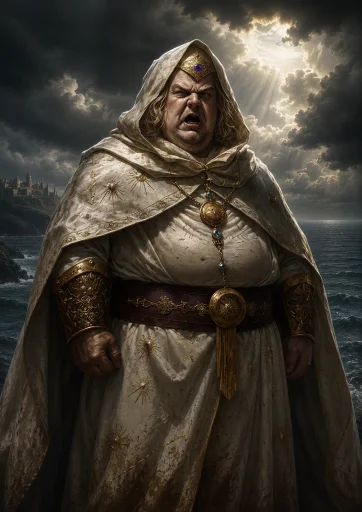
Curiosity killed nothing yet. The cat is working on it.

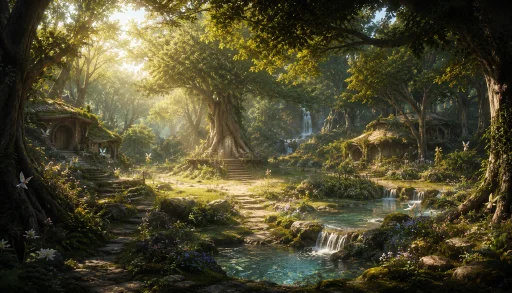
The forest, however, does not welcome investigation. Beneath its towering trees, the air thickens with territorial silence, and every path seems to shift...

The tide brings secrets and the town keeps score.

Trade comes through quietly here. Ships arrive with cargo that is rarely discussed too loudly, coin passes beneath folded cloth, and conversations shrink...

They forget nothing, especially the embarrassing parts.

11 Orders
10 Artifacts
23 Stories
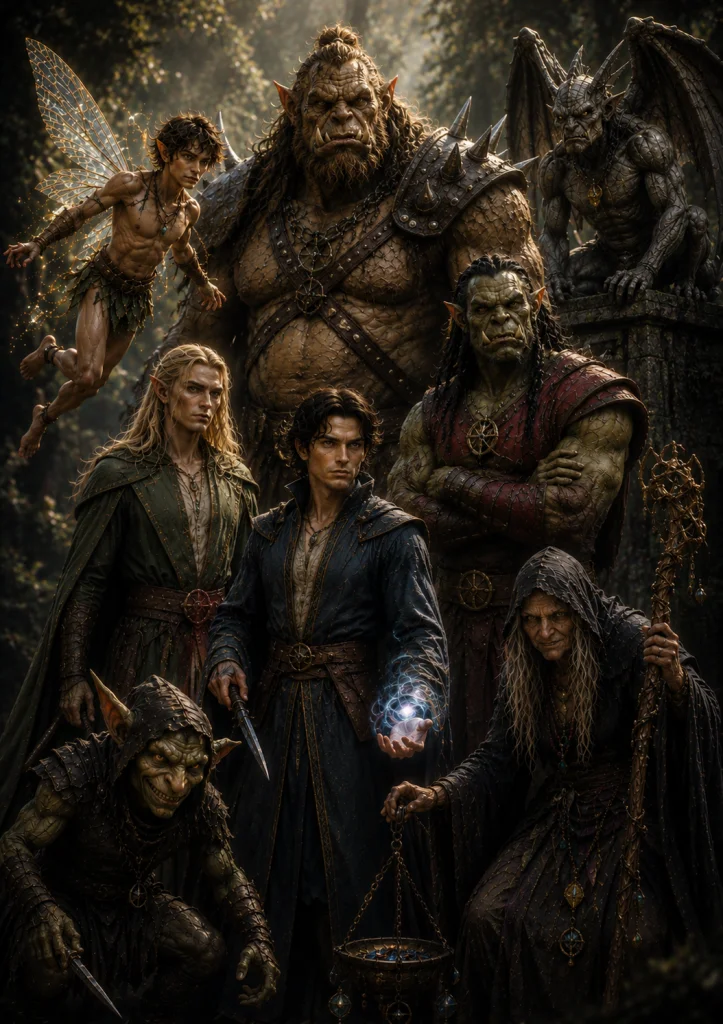
26 Races
30 Denizens
Fey
  • Primal Enchantment
  • Ancient Lineage
  • Shapeshifting Potential

Fey

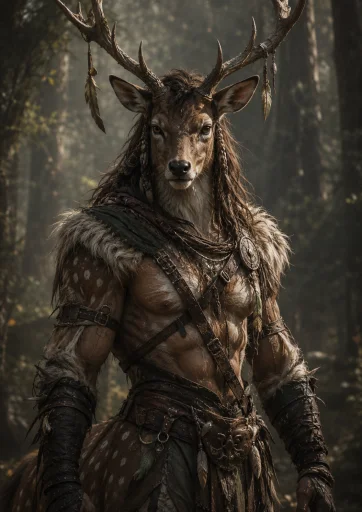
They were old before mortal kingdoms learned to measure themselves in stone. Born from primal enchantment, ancient blood, and the wild places where desire and danger first learned each other's names, they shaped themselves through instinct, glamour, and will. Their earliest forms were not fixed; they became what power needed, what beauty demanded, and what fear remembered.

As mortal peoples spread, they watched, tempted, bargained, blessed, punished, and occasionally loved badly enough to leave consequences behind. Their influence slipped into bloodlines, stories, superstitions, and old warnings whispered near hearths when the night grew too charming. Some mortals sought them for beauty, power, healing, vengeance, or the kind of pleasure that arrives smiling and leaves teeth marks on the soul.

Over time, they learned that direct rule was less amusing than influence. A word in the right ear, a gift at the wrong wedding, a kiss offered with conditions, a curse folded neatly inside a compliment — these could bend lives more elegantly than armies. Their power became less about conquest and more about invitation, because nothing traps quite so well as a choice freely made.

Now they remain ancient, enchanting, and difficult to name safely. Some wear mortal shapes with practiced ease, while others barely bother hiding the strange beneath the skin. They are not merely beautiful monsters or charming spirits; they are living bargains, old hungers, and primal magic dressed well enough to be invited inside.

Small wings, big trouble, zero apologies.
  • Winged Mischief
  • Tiny Magic
  • Hidden Sparks

Pixie

They came from old fey magic that favored speed, lightness, and the spaces between larger footsteps. Their earliest stories speak less of conquest and more of slipping through danger untouched: hiding beneath leaves, nesting in hollow branches, riding warm drafts, and learning which creatures could be teased safely and which required a very fast exit.

As they spread through hidden glades, groves, ruins, and settlements touched by enchantment, they developed lives built around flight, secrecy, and constant motion. Their wings let them ignore many boundaries that larger folk treated as final, while their small magic helped them survive locks, wards, predators, and social situations that could have been solved honestly but were much funnier sideways.

Their colonies formed around shared vigilance and shared amusement. Songs carried warnings, pranks tested cleverness, and bright gatherings helped them remember that tiny bodies did not mean tiny lives. Elders were valued not because they grew solemn, but because they knew exactly which reckless ideas had already exploded and which ones still deserved a proper attempt.

Now they remain playful, independent, and difficult to categorize without using several rude gestures and one apology. Some aid larger folk with surprising loyalty, others meddle for sport, and many do both before breakfast. They are delicate in appearance only; their survival depends on wit, speed, nerve, and the absolute conviction that no cage has ever been built correctly.

When subtle fails, ogres arrive.
  • Brute Force
  • Thick Skinned
  • Primal Instinct

Ogre

They came from old fey-touched stock shaped less by grace than by impact. Where smaller bodies learned stealth, speed, or clever hands, theirs answered the world by becoming harder, larger, and more difficult to stop. Hunger, violence, harsh territory, and constant threat carved them into creatures that could survive what should have flattened anything softer.

Their earliest groups formed around simple truths: the biggest could take more, the strongest could hold more, and the fiercest could keep rivals away from food, shelter, and breeding rights. Hierarchy grew from that pressure, not ceremony. Leadership belonged to whoever could endure challenge, break resistance, and remain standing when the shouting ended.

Over time, they scattered into clans, lone dens, hunting ranges, and rough territories where survival depended on muscle, instinct, and fear. They learned to raid when hunting failed, scavenge when raiding cost too much, and follow the leader most likely to keep bellies full and enemies cautious. Their lives rarely favored patience, but they rewarded toughness with brutal honesty.

Now they remain feared wherever their heavy footsteps are heard. They are blunt, dangerous, and often cruel by neglect rather than strategy, yet they are not empty beasts. Beneath the rage and ruin is a primitive awareness that keeps them alive: the body knows danger, the skin refuses death, and the hands know exactly how to make a problem stop moving.

The statue saw everything and judged accordingly.
  • Living Stone
  • Silent Watchers
  • Ancient Guardians

Gargoyle

No one agrees whether they were made, awakened, cursed, or remembered into life by stone that had watched too much. Some began as statues placed above sacred doors, old walls, and fortress roofs, carved into shapes meant to frighten evil, honor duty, or decorate power with teeth. Then, at some forgotten moment, some opened their eyes.

Their earliest lives were measured in stillness. They learned the language of weather, footfalls, bells, whispered oaths, and blood drying on steps below. While mortal generations rose and vanished, they remained, guarding places whose names sometimes eroded faster than their faces. Damage healed slowly, duty slower, and memory became their closest companion.

Because they do not age, they rarely build societies in the ordinary sense. Instead, they form connections through vigil, shared purpose, and the silent recognition of another watcher enduring the same long burden. A gargoyle may know more about a city’s sins than its priests, more about a fortress than its commander, and more about lovers sneaking through moonlit courtyards than anyone involved would find comforting.

Now they exist as guardians, wanderers, relics, and unanswered questions. Some protect with unwavering loyalty, some obey instincts older than language, and some seek a purpose beyond the stonework that first held them. Whether perched above a gate or walking beneath open sky, they carry the weight of centuries in every cracked step.

Beautiful enough to trust, ancient enough to regret.