
- Silent Mercy
- Fractured Duty
- Ashen Blame
When Mercy Has No Voice
She knows the accusation is wrong. Not clean, not simple, not harmless - but wrong. Her order did not raze the village, and that truth should matter. Instead, every attempt to speak risks exposing records, witnesses, and commands that powerful hands would rather keep sealed.
When Mercy Has No Voice follows the soldier's quiet struggle beside a larger catastrophe, not at its center but close enough to feel the heat. She is tasked with containing panic, preserving discipline, and preventing retaliation, even as each duty asks her to bury another piece of herself.
The conflict is not whether she can swing a blade. She can. The conflict is whether truth still matters when saying it may ruin the only structure she has left. In the space between obedience and conscience, mercy waits for a voice she may be too afraid to lend.
She stands at the edge of obedience, armored in silver and gold, carrying the weight of a cause that once seemed clean. The Army of Light taught her discipline, certainty, and the comfort of righteous command, but the battlefield has started answering those lessons with smoke, screams, and silence.
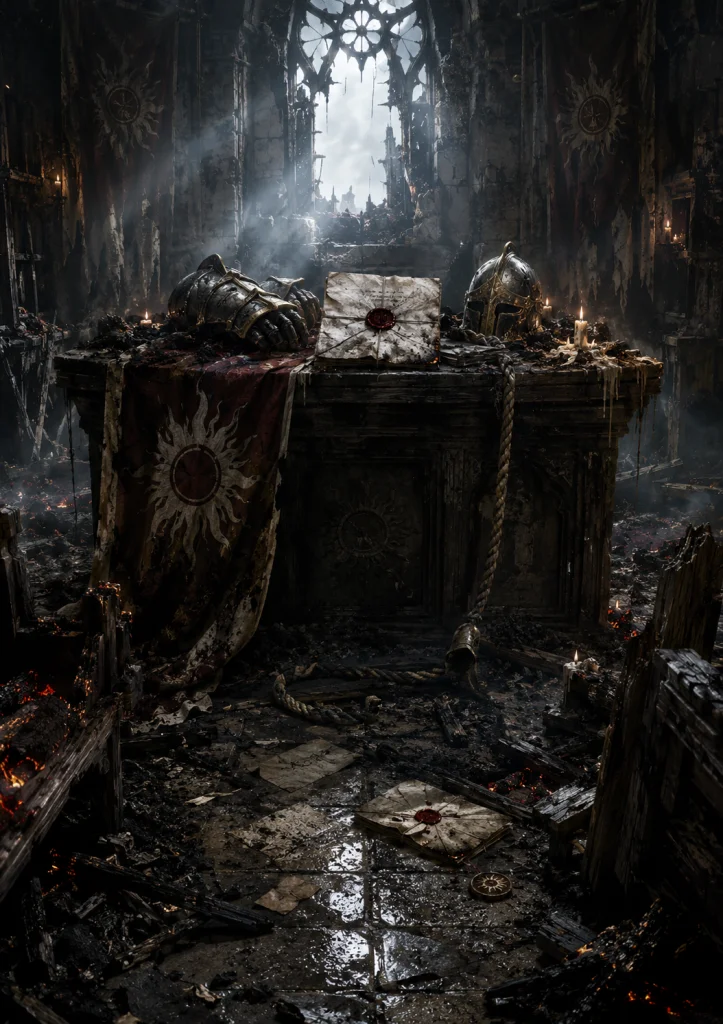
In the aftermath of a burned village, her faith no longer holds its shape. She follows orders with the precision of a trained soldier, yet every command cuts deeper than the last. Civilians flinch when she passes. Ruins remember her colors. The blessings spoken over the dead sound thinner each time.
She is not cruel by nature, and that may be what makes her dangerous. A blade with doubt still cuts, especially when held by someone trained to mistake hesitation for weakness. One truth could break her loyalty, harden it, or turn her into something neither side is ready to face.

- Fractured Faith
- Disciplined Guilt
- Lightbound Doubt
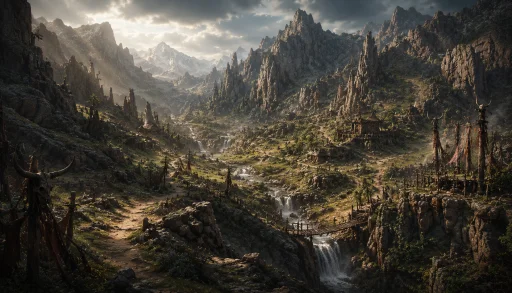
- Jagged Foothills
- Satyr Resilience
- Stonebound Trials
Grimcrag Valley cuts through the Western Front in hard angles of stone, dust, and sunburned earth. Jagged foothills rise like broken teeth, ravines split the ground without warning, and narrow trails cling to slopes that seem personally offended by careless footing. Wind moves constantly through the valley, scraping grit across rock and carrying low whistles that sound almost like voices if exhaustion has already started making bad choices.
To outsiders, the valley looks barren, cruel, and nearly empty. To those raised among its crags, it is a proving ground with a memory sharper than steel. Every ledge, dry wash, hidden pass, and wind-blasted rise teaches endurance, balance, suspicion, and pride. Nothing here is soft, but softness was never the bargain.
Grimcrag matters because it turns survival into identity. It is where strength is tested by terrain before enemies ever draw close, where old grudges can echo across stone, and where belonging must be earned one harsh step at a time. The valley does not welcome weakness, but it respects those stubborn enough to keep climbing anyway.
The Army of Light is a powerful religious military order devoted to the eradication of darkness, corruption, forbidden magic, and supernatural threats throughout the realm. Structured as both a faith and a standing army, the organization operates with unwavering discipline, militant doctrine, and absolute belief in the sanctity of their divine mission. To its followers, the Army represents salvation, order, and protection against the growing horrors lurking within the world. To its enemies, it is an unstoppable force of zealotry, judgment, and holy warfare.
The Army of Light is uniquely defined by its exclusive use of Gilded Magic — a newly emerged and poorly understood magical force believed to channel radiant power, purification, and divine authority. Though devastatingly effective against shadow entities, undead, curses, and corruption, the long-term consequences of prolonged Gilded Magic exposure remain largely unknown. Rumors persist of emotional instability, physical transformation, fanaticism, memory deterioration, or spiritual alteration among veteran users, though the order publicly dismisses such concerns as heresy or enemy propaganda.
Its soldiers and clergy are highly disciplined, often clad in radiant armor adorned with gold trim, sun iconography, white cloth, ceremonial markings, and sacred scripture. The organization values obedience, purity, sacrifice, and unwavering faith above individuality. Many members sincerely believe they are the final barrier preventing the realm from falling entirely into darkness.
Though publicly celebrated across many regions, the Army’s methods have become increasingly controversial. Entire villages have been purged under suspicion of corruption, magical practitioners imprisoned without trial, and supernatural species persecuted regardless of individual innocence. Supporters claim such actions are necessary sacrifices for the greater good. Critics warn the Army of Light may itself be becoming something dangerous.
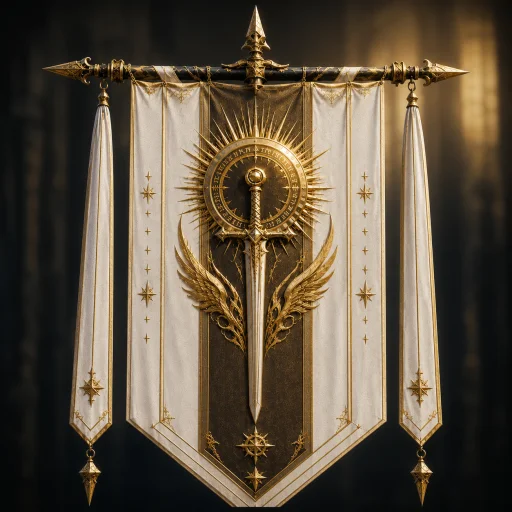
- Religious Military Order
- Wield Gilded Magic
- Fanatical Purifiers
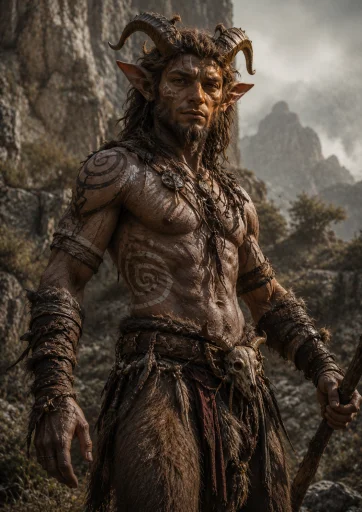
- Wild Charm
- Hoofed Agility
- Mischief Wise
Satyrs move through the wild world as if the stone remembers their hooves and the wind owes them gossip. They are bright-eyed, sharp-smiled, and restless by nature, carrying music, mischief, and old survival sense in equal measure. Their laughter can fill a clearing, but so can their warning cries, and only a fool assumes one cannot become the other very quickly.
Their bodies are built for hard terrain and quick escapes: human from the waist up, goat-legged below, with powerful hooves, coarse protective fur, expressive ears, and horns that become heavier and more impressive with age. They are difficult to surprise, not because they see everything, but because the world reaches them through scent, sound, tension, breath, and the tiny betrayals of nervous bodies.
Satyr charm is infamous, though not always as deliberate as outsiders suspect. Their voices carry rhythm, confidence, and an almost unfair pull, making even a warning sound like an invitation if they tilt their head just right. It is not spellwork, though plenty of embarrassed people have claimed otherwise after agreeing to something bold, foolish, or pleasantly regrettable.
Beneath the revelry sits a sharper truth. Satyrs survive because they notice what others miss, speak before fear can tame them, and treat freedom as something worth defending with teeth, hooves, wit, and song. They are playful, yes, but never harmless.