Bloodlines, Beasts, and Other Bad Ideas
The world is crowded with mortals, monsters, and everything inconveniently between. Humans, elves, goblins, beastkin, hags, cursed things, winged folk, and stranger denizens all carry their own instincts, traditions, grudges, and ways of surviving trouble. Some are feared for claws and teeth. Others are dangerous because they know how to smile. Look past rumor, beauty, horns, fur, shadow, and scales before deciding what is truly monstrous.
- Possessed Playthings
- Childlike Corruption
- Fear-Fed Entities
Cute until the curse starts playing back.
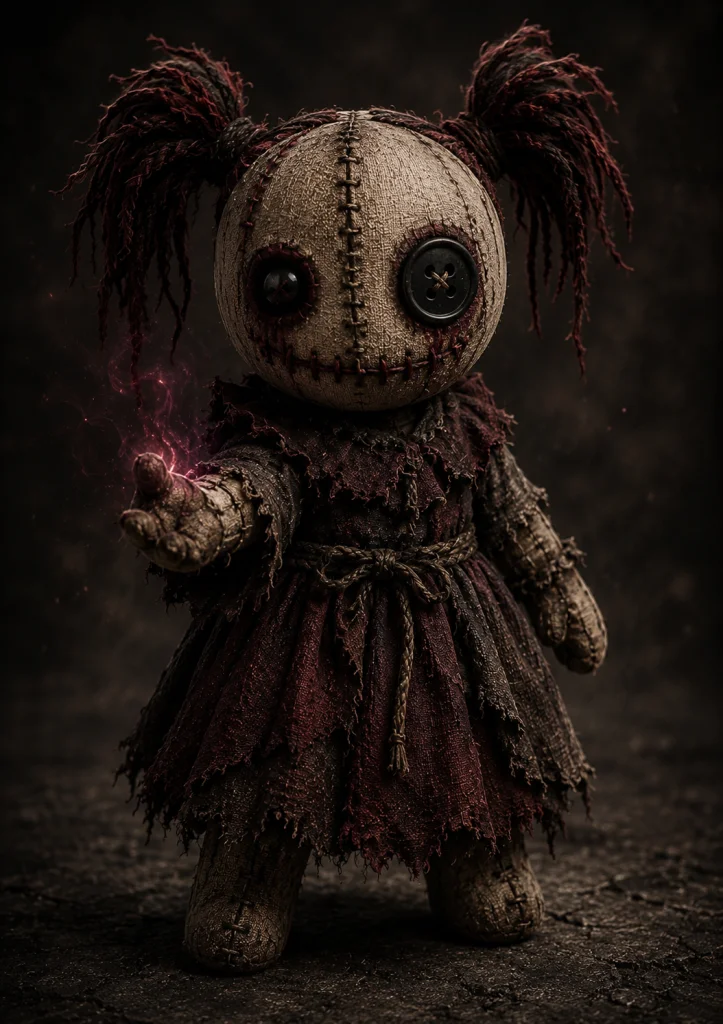
Cursed Dolls are small humanoid Cursed Ones created when dolls, puppets, or handcrafted figures become infused with supernatural life through curses, spirit attachment, emotional trauma, or forbidden ritual magic. Though often child-sized and outwardly harmless, Cursed Dolls are deeply unsettling entities known for uncanny movement, unnatural silence, distorted emotional behavior, and sudden bursts of terrifying violence or supernatural activity.
Most Cursed Dolls retain the appearance of antique porcelain dolls, stitched rag dolls, wooden puppets, or handcrafted toys, though age, decay, and magical corruption frequently distort their features over time. Cracked faces, mismatched eyes, broken limbs, stained clothing, exposed stuffing, and warped expressions are common among older manifestations. Some appear eerily pristine despite extreme age.
While many Cursed Dolls are hostile or emotionally unstable, others display childlike innocence, loneliness, obsessive attachment, or protective fixation toward specific individuals. Their behavior often reflects the emotional circumstances surrounding their creation.
Most Cursed Dolls retain the appearance of antique porcelain dolls, stitched rag dolls, wooden puppets, or handcrafted toys, though age, decay, and magical corruption frequently distort their features over time. Cracked faces, mismatched eyes, broken limbs, stained clothing, exposed stuffing, and warped expressions are common among older manifestations. Some appear eerily pristine despite extreme age.
While many Cursed Dolls are hostile or emotionally unstable, others display childlike innocence, loneliness, obsessive attachment, or protective fixation toward specific individuals. Their behavior often reflects the emotional circumstances surrounding their creation.
- Winged Mischief
- Tiny Magic
- Hidden Sparks
Small wings, big trouble, zero apologies.
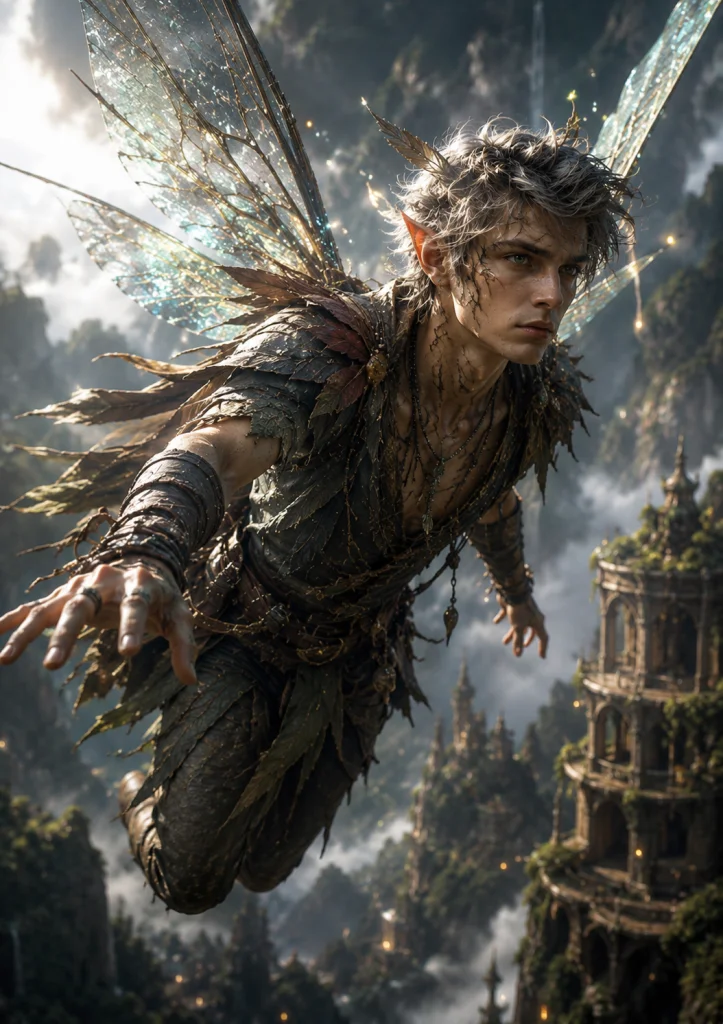
Pixies are tiny enough to be dismissed and quick enough to make that mistake expensive. They glitter through leaves, rafters, ruins, and moonlit clearings with wings that catch the light one moment and vanish into it the next. A flicker near the corner of the eye, a giggle from nowhere, a missing button, a loosened latch — by the time anyone looks properly, the pixie has already decided whether this is a rescue, a prank, or both.
Their magic is not loud, but it is always there. It hums in the dust on their skin, the shimmer of their wings, the little nudges they give to charms, locks, alarms, and fragile tempers. They rarely overpower anything directly; they irritate, distract, slip through, charm sideways, and turn a situation upside down with the smug little confidence of someone who can hide inside a teacup.
Pixie life prizes freedom, mischief, cleverness, and the right to change direction mid-sentence. Some gather in hidden colonies full of gossip, song, petty rivalries, and shared warnings, while others drift through larger societies as spies, helpers, pests, companions, and sparkly disasters with opinions. They may flirt, tease, and cause trouble with alarming enthusiasm, but beneath the laughter is a fierce refusal to be caged, owned, or underestimated.
Their magic is not loud, but it is always there. It hums in the dust on their skin, the shimmer of their wings, the little nudges they give to charms, locks, alarms, and fragile tempers. They rarely overpower anything directly; they irritate, distract, slip through, charm sideways, and turn a situation upside down with the smug little confidence of someone who can hide inside a teacup.
Pixie life prizes freedom, mischief, cleverness, and the right to change direction mid-sentence. Some gather in hidden colonies full of gossip, song, petty rivalries, and shared warnings, while others drift through larger societies as spies, helpers, pests, companions, and sparkly disasters with opinions. They may flirt, tease, and cause trouble with alarming enthusiasm, but beneath the laughter is a fierce refusal to be caged, owned, or underestimated.
- Bog Witchery
- Toxic Touch
- Mire Bargains
The swamp keeps receipts.
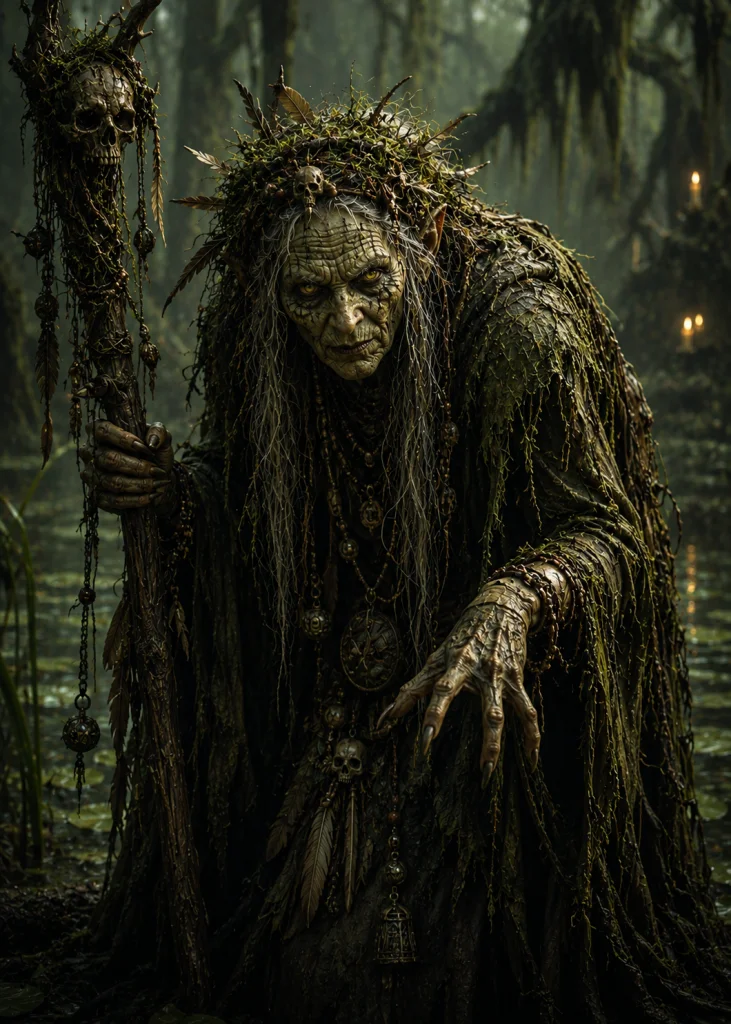
Swamp Hags are the things mist remembers after decent folk stop walking. They lurk where water goes black, reeds whisper too clearly, and every patch of solid ground feels like a promise told by a liar. Hunched, withered, and dripping with rot-slick menace, they carry glowing eyes, moss-choked hair, clawed hands, and skin marked by grime, warts, slime, and old curses that never learned to mind their manners.
They move through bog and marsh as if the muck adores them. Where others sink, stumble, and curse their boots, a Swamp Hag glides without a ripple, letting the water hide her until the wrong traveler follows the wrong light too far from the path. The swamp is not just her shelter; it is her accomplice, healer, witness, and occasionally her favorite audience.
Some cultivate toxins through skin, breath, and claw, turning a brush of contact into nausea, visions, and slow helplessness. Others rely more on riddles, bargains, and cruel little half-truths, offering prophecy, healing, revenge, or relief to anyone desperate enough to ignore the smell of a trap. Her aid may be real, which is usually the most annoying part.
What makes her dangerous is not raw violence, but patience soaked in mud. A Swamp Hag knows that fear ferments beautifully when left alone in the dark, and desperation gets very friendly when it thinks no one else is listening. She may be oracle, healer, predator, or liar, but whatever role she chooses, the price always comes up from beneath the water.
They move through bog and marsh as if the muck adores them. Where others sink, stumble, and curse their boots, a Swamp Hag glides without a ripple, letting the water hide her until the wrong traveler follows the wrong light too far from the path. The swamp is not just her shelter; it is her accomplice, healer, witness, and occasionally her favorite audience.
Some cultivate toxins through skin, breath, and claw, turning a brush of contact into nausea, visions, and slow helplessness. Others rely more on riddles, bargains, and cruel little half-truths, offering prophecy, healing, revenge, or relief to anyone desperate enough to ignore the smell of a trap. Her aid may be real, which is usually the most annoying part.
What makes her dangerous is not raw violence, but patience soaked in mud. A Swamp Hag knows that fear ferments beautifully when left alone in the dark, and desperation gets very friendly when it thinks no one else is listening. She may be oracle, healer, predator, or liar, but whatever role she chooses, the price always comes up from beneath the water.
- Instinct-Driven
- Natural Weaponry
- Enhanced Senses
Instinct has teeth, and family remembers who bled.
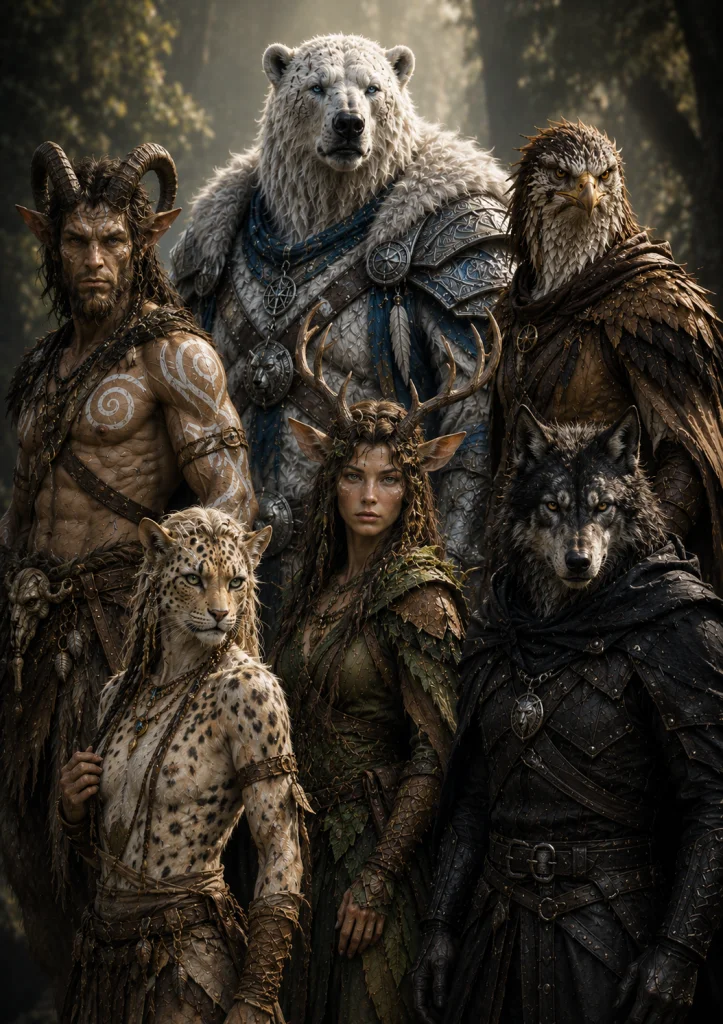
Beastkin are a broad classification of anthropomorphic peoples possessing both humanoid and animalistic traits. Unlike the Fey, whose supernatural nature is deeply rooted in innate arcane essence, Beastkin are primarily biological beings shaped through evolutionary adaptation, primal ancestry, and environmental specialization. They encompass a vast range of species and subtypes including wolfkin, feline Prydaen, avians, ursine clans, satyrs, cervitaurs, reptilian morphs, and countless other hybridized forms combining human intelligence with animal characteristics.
Though highly diverse in appearance, Beastkin universally display a blending of humanoid structure and animal physiology. This may include fur, feathers, scales, tails, muzzles, horns, antlers, claws, talons, digitigrade legs, enhanced senses, or instinct-driven behavioral traits reflective of their ancestral lineage. Some Beastkin closely resemble humans with subtle animalistic features, while others are overtly bestial in form.
Unlike Fey, Beastkin are not inherently magical. Most possess no supernatural abilities beyond their natural physiology and instincts. However, Beastkin are fully capable of learning magic through study, spiritual practice, divine connection, or environmental exposure, and rare bloodlines may exhibit naturally occurring magical traits. Such abilities are considered exceptional rather than expected within Beastkin societies.
Beastkin cultures are often strongly influenced by environmental adaptation, pack dynamics, herd mentality, predatory instinct, migratory tradition, territorial behavior, or communal survival structures inherited from their animal ancestry. Despite these influences, Beastkin possess full intellectual complexity and emotional depth comparable to other civilized peoples.
Many Beastkin societies maintain a close relationship with nature, wilderness survival, craftsmanship, hunting traditions, or tribal heritage, though some have integrated fully into large urban civilizations and multi-species political systems. Mortals and Fey alike frequently stereotype Beastkin as primitive or instinct-driven, though such assumptions vary greatly from one culture to another.
Though highly diverse in appearance, Beastkin universally display a blending of humanoid structure and animal physiology. This may include fur, feathers, scales, tails, muzzles, horns, antlers, claws, talons, digitigrade legs, enhanced senses, or instinct-driven behavioral traits reflective of their ancestral lineage. Some Beastkin closely resemble humans with subtle animalistic features, while others are overtly bestial in form.
Unlike Fey, Beastkin are not inherently magical. Most possess no supernatural abilities beyond their natural physiology and instincts. However, Beastkin are fully capable of learning magic through study, spiritual practice, divine connection, or environmental exposure, and rare bloodlines may exhibit naturally occurring magical traits. Such abilities are considered exceptional rather than expected within Beastkin societies.
Beastkin cultures are often strongly influenced by environmental adaptation, pack dynamics, herd mentality, predatory instinct, migratory tradition, territorial behavior, or communal survival structures inherited from their animal ancestry. Despite these influences, Beastkin possess full intellectual complexity and emotional depth comparable to other civilized peoples.
Many Beastkin societies maintain a close relationship with nature, wilderness survival, craftsmanship, hunting traditions, or tribal heritage, though some have integrated fully into large urban civilizations and multi-species political systems. Mortals and Fey alike frequently stereotype Beastkin as primitive or instinct-driven, though such assumptions vary greatly from one culture to another.