
- Aging Charmer
- Velvet Vanity
- Night Owl
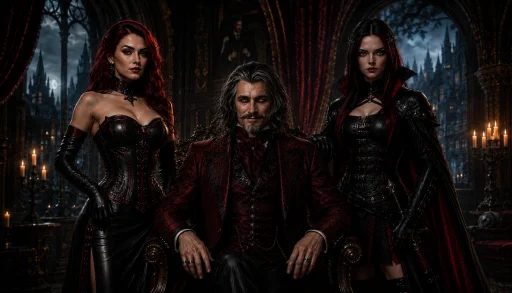
Lord Dorian Wormwood
Alignment: Chaotic Evil
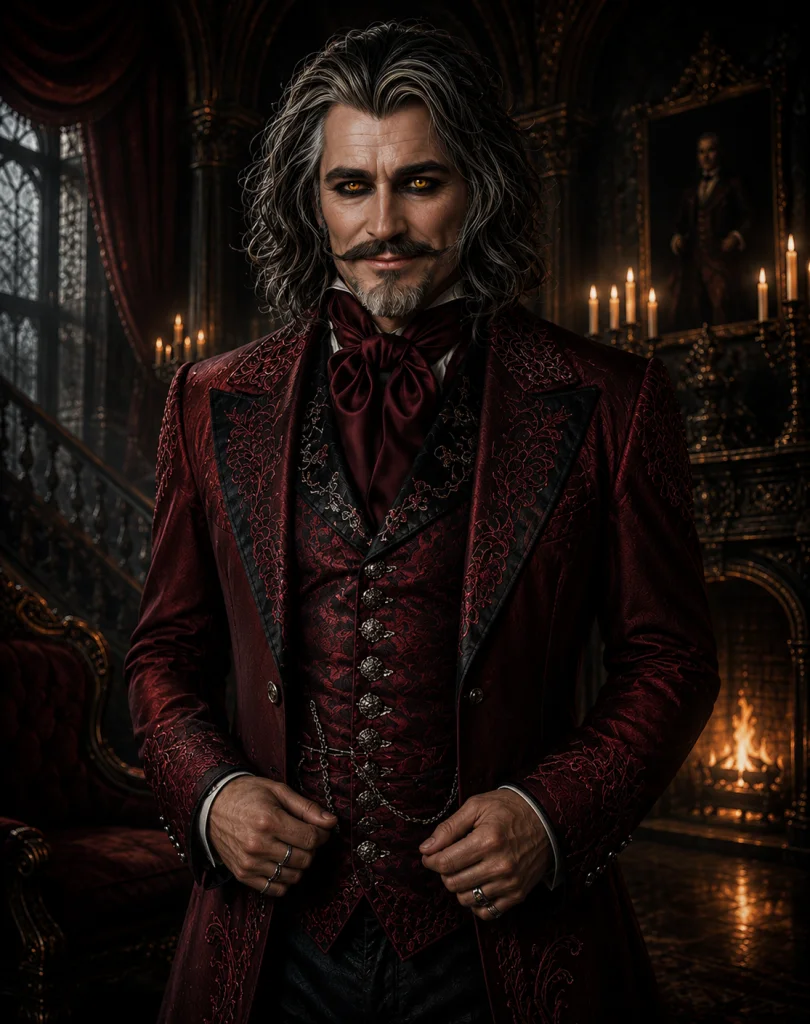
He is fifty-two and has declined, politely and at length, to be it. A frontier house built on cold fields and hard silence produced a boy who wanted velvet, candlelight and an audience, and the Wormwoods have spent three decades pretending this is a phase. Dorian has made it a vocation. He hosts masquerades for guests nobody invited, deals the first few hands of every card game generously, and will tell any pretty stranger that the evening is young, a claim he makes with great tenderness, since it is the only thing in the room he is certain is not true of himself. He leaves the ledgers, the cellars and the terror to his wife. He keeps one enterprise for himself, and it keeps odd hours of its own.
The stakes of Dorian are small until they are not. A lord who vanishes at night and returns with brighter eyes, warmer skin and one fewer gray hair is a gossip's gift, and Emberfall's servants have started to count: the borrowed young friends who laugh so well at supper and sleep through the next two days, the carriage that leaves at the wrong hour, the valet who has gone pale as candle wax since spring. Isabella, his clever daughter, has started teasing him about his late nights over breakfast, so he has begun taking breakfast at noon. Beyond the gates the Army of Light sends inspectors to villages that keep secrets half as well, and Dorian, who fears them more than he fears mirrors in daylight, has taken to toasting their health with a smile that comes a little too quickly.
Meet him at the long gallery, where every candle is lit and the fire is banked high enough to steam his brocade. He will press a glass into your hand, hold your fingers a moment longer than the stem requires, and promise you will leave feeling something. He is almost certainly right. The only open question at Emberfall is whether what you feel, in the gray hour before dawn, is delight or a sudden, inexplicable chill, and whether he looks, just then, a little less than fifty-two.
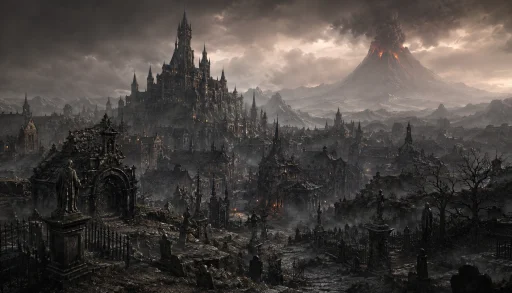
Emberfall crouches beneath a sky stained by ash, its crooked rooftops and forgotten streets buried in gray dust that never fully settles. A ruined gothic castle rises above the city like a black crown, all narrow towers, broken windows, ironwork, and stone walls worn smooth by soot and time. Around it, dilapidated homes lean into one another for support, their shutters warped, their chimneys cold, their doorways half-swallowed by drifted ash.
Nothing green survives here. Long-dead trees stand like charcoal bones along the roads, and graveyards spread through the city in crowded rows of cracked markers, leaning statues, and iron fences gone red with rust. The distant volcano glows through smoke on the horizon, a reminder that the city does not merely live near destruction — it has learned to breathe it in and call that normal. The air tastes of dust, old stone, burnt rain, and secrets that should have stayed properly buried, but apparently have no manners.
Its dead spaces hold power, grief, old privilege, and the kind of danger that wears velvet over rot. The city offers gothic intrigue, family shadows, ruined grandeur, graveyard whispers, and the uneasy sense that something beneath the ash still expects obedience.
- Gothic Ruin
- Ashen Graveyards
- Volcanic Shadow
- Gothic Nobility
- Volcanic Frontier
- Feudal Masters
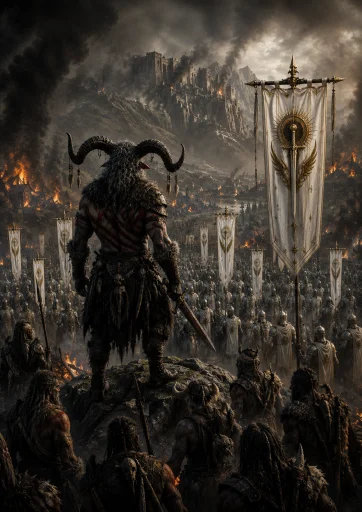
The Wormwood Bloodline is among the oldest surviving noble bloodlines in the realm, a grim and deeply entrenched dynasty shaped by generations of hardship, isolation, and merciless survival. Their ancestral domain lies within a brutal and unforgiving region plagued by ogre incursions, volcanic instability, poisoned soil, and perpetual funerary tradition. Over centuries, the Wormwoods adapted not through compassion or diplomacy, but through ruthless endurance and rigid control.
The Wormwood estate is a sprawling gothic manor surrounded by immense graveyards, black iron fencing, ash-covered courtyards, and crypts layered beneath the estate itself. Though portions of the exterior have weathered with age and neglect, the decayed grandeur of the manor remains imposing and unmistakably noble. Statues of forgotten ancestors, mausoleums, funeral shrines, and cracked stone effigies dominate the surrounding grounds.
House Wormwood values bloodline purity, obedience, hierarchy, and absolute authority above all else. Their nobles are cold, disciplined, and emotionally distant, believing kindness breeds weakness and survival demands control. Servitude within Wormwood lands is harsh, and many within the house openly prefer bonded labor or outright slavery over paid servants, viewing dependency as more reliable than loyalty.
Though feared across neighboring territories, House Wormwood commands respect through sheer endurance. Empires have fallen, kingdoms have fractured, and noble houses have vanished, yet the Wormwoods remain — grim, ancient, and unyielding beneath the shadow of ash and tombstone.
Human
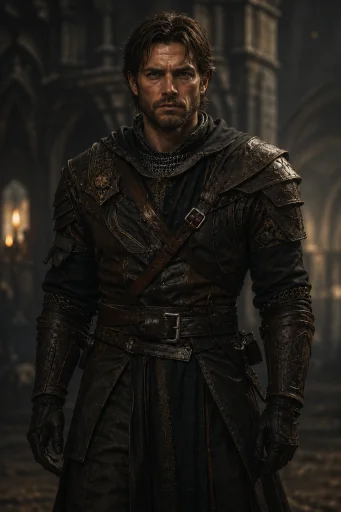
Humans arrive in the world without obvious advantages, which seems rude until they start turning that lack into everybody else’s scheduling problem. They build shelters where storms insist they should not, raise banners over places that keep trying to kill them, and make tools from whatever is close enough to grab. Give them a broken road, a bad season, and one questionable plan, and somehow there is a village there by spring. Annoying? Absolutely. Effective? Tragically, yes.
Their lives burn quickly compared to longer-lived peoples, and that urgency shapes everything they touch. They chase love, power, safety, glory, revenge, comfort, and terrible ideas with the same dangerous momentum. A human court can become a battlefield with better clothing, while a frontier camp can turn into a kingdom if enough stubborn fools agree to keep hammering posts into the mud. They do not always know when to stop, which is charming right up until it becomes a siege.
What makes humans significant is not perfection, purity, or some grand destiny conveniently gift-wrapped by the heavens. It is variety under pressure. They can be farmers, soldiers, rulers, wanderers, cowards, lovers, tyrants, protectors, liars, and heroes before lunch if the day is especially rude. They are ordinary in the way flint is ordinary: dull in the hand until struck, then suddenly full of fire.
- Stubborn Survivors
- Endless Adaptation
- Ordinary Trouble