

- Stubborn Survivors
- Endless Adaptation
- Ordinary Trouble
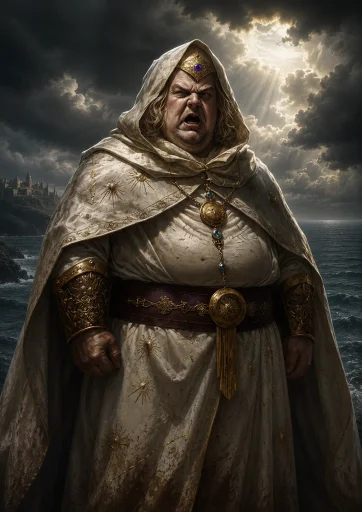
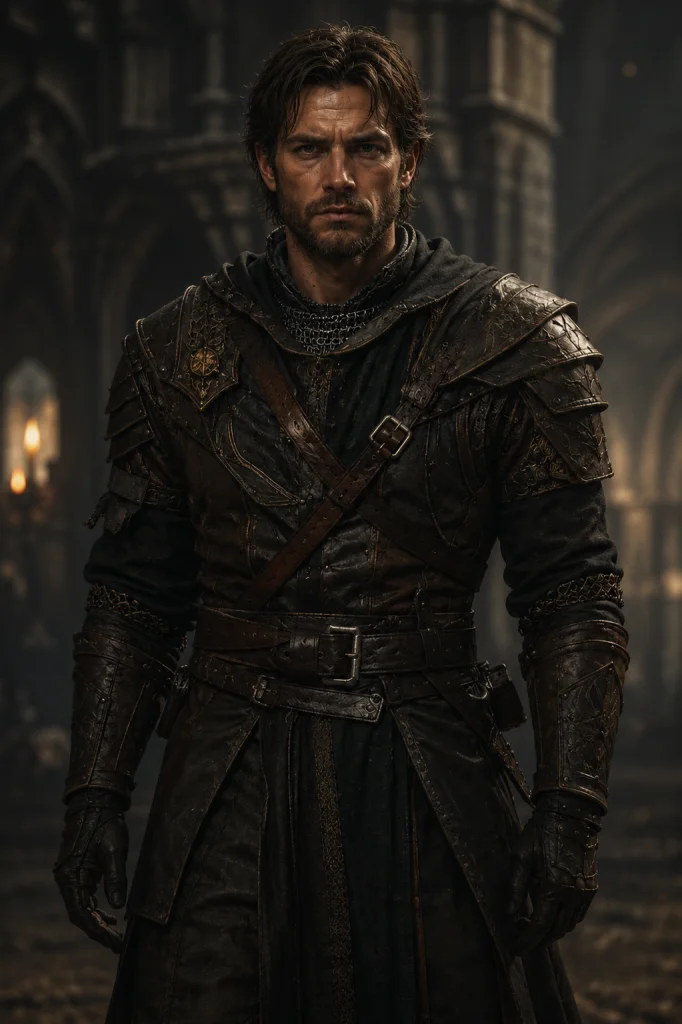
Human
Humans arrive in the world without obvious advantages, which seems rude until they start turning that lack into everybody else’s scheduling problem. They build shelters where storms insist they should not, raise banners over places that keep trying to kill them, and make tools from whatever is close enough to grab. Give them a broken road, a bad season, and one questionable plan, and somehow there is a village there by spring. Annoying? Absolutely. Effective? Tragically, yes.
Their lives burn quickly compared to longer-lived peoples, and that urgency shapes everything they touch. They chase love, power, safety, glory, revenge, comfort, and terrible ideas with the same dangerous momentum. A human court can become a battlefield with better clothing, while a frontier camp can turn into a kingdom if enough stubborn fools agree to keep hammering posts into the mud. They do not always know when to stop, which is charming right up until it becomes a siege.
What makes humans significant is not perfection, purity, or some grand destiny conveniently gift-wrapped by the heavens. It is variety under pressure. They can be farmers, soldiers, rulers, wanderers, cowards, lovers, tyrants, protectors, liars, and heroes before lunch if the day is especially rude. They are ordinary in the way flint is ordinary: dull in the hand until struck, then suddenly full of fire.
- Glacial Ritualists
- Preservation Obsession
- Frost-Rimed Flesh
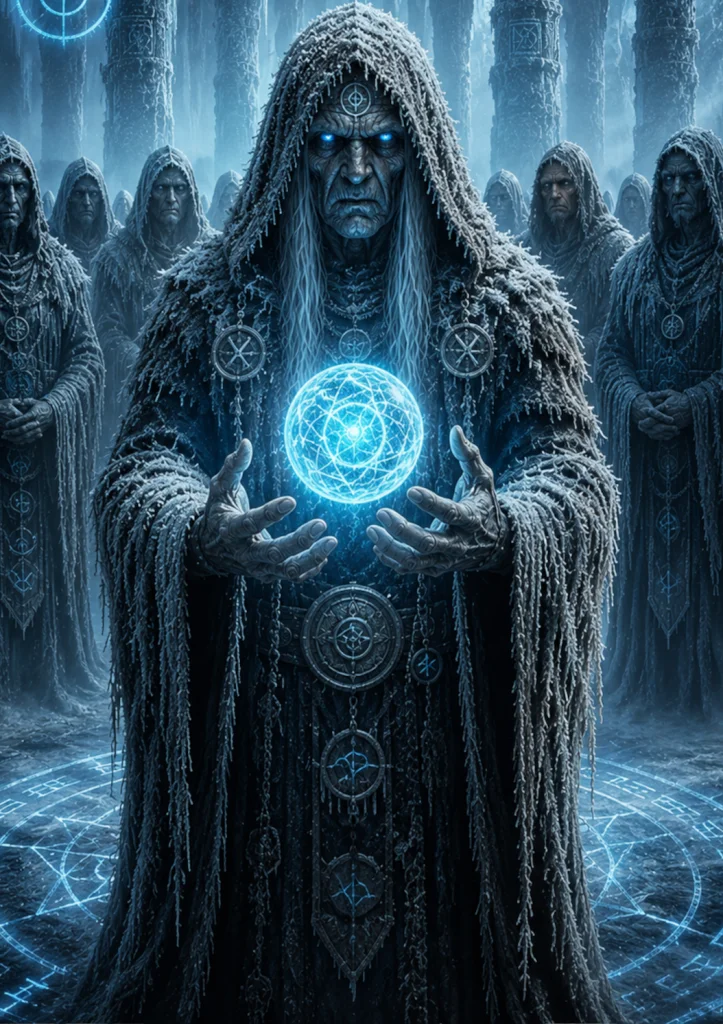
Frostborne
Frostborne culture revolves around preservation, endurance, memory, and resistance to decay. Most communities are built within glacial caverns, frozen mountain monasteries, buried crypt-cities, or isolated polar fortresses hidden beneath permanent snowfall.
They value:
patience over passion,
restraint over excess,
continuity over change.
Many Frostborne view emotional impulsiveness as dangerous instability, leading outsiders to perceive them as cold, detached, or emotionally distant.
Ancestor preservation plays a major role in many Frostborne societies. Elders are often preserved through ritualized freezing practices designed to maintain memory and wisdom across generations. Some communities maintain frozen archives of preserved historians, scholars, or rulers suspended beneath their settlements.
Though not inherently hostile, Frostborne are deeply insular and distrustful of warmer southern civilizations, which they often view as reckless, short-lived, and consumed by constant conflict.

- Human But Strange
- Fey Instincts
- Uncanny Charm
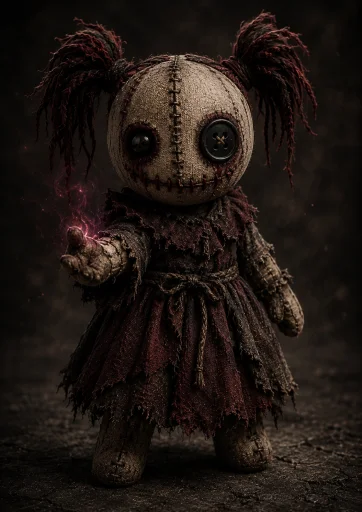
Fey-Touched
Fey-Touched are not a separate civilization so much as a strange current running through human commoner life. Most are raised among farmers, craftsmen, laborers, servants, and village families, sharing the same obligations, festivals, market days, tavern gossip, and seasonal hardships as those around them. Their differences are usually handled quietly: hidden by cautious relatives, explained away as luck, or whispered about when the candles burn low.
Because they remain human, they often rely on community as much as any commoner does, but their place within that community can be unstable. Some are cherished for charm, intuition, beauty, talent, or good fortune, while others are treated as omens, troublemakers, or walking gossip with cheekbones. Their lives are shaped by a constant balancing act between belonging and standing apart, using practical human grit to survive the consequences of being touched by something less ordinary.
Because they remain human, they often rely on community as much as any commoner does, but their place within that community can be unstable. Some are cherished for charm, intuition, beauty, talent, or good fortune, while others are treated as omens, troublemakers, or walking gossip with cheekbones. Their lives are shaped by a constant balancing act between belonging and standing apart, using practical human grit to survive the consequences of being touched by something less ordinary.