


- Buried Scandal
- Dual Lives
- Dangerous Grace
Lady Elara Greenwell
Alignment: Neutral Good
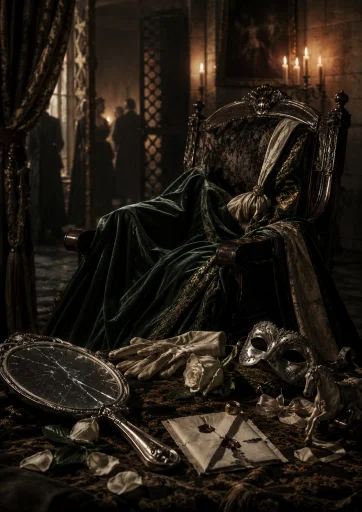
To the people, she is warmth in silk: compassionate, poised, and impossible to dislike. To the court, she is influence wrapped in manners. But behind the jasmine, ink, and perfect timing is a woman balancing on the edge of scandal, guarding a reputation built from restraint while old letters threaten to drag buried truths into the present.
Her marriage remains courteous but cold, her past refuses to stay ash, and her daughter’s future hangs too close to every whispered accusation. She does not fight with steel unless forced; she fights with grace, timing, and the kind of smile that makes enemies wonder when they started losing.
She has spent years becoming the version of herself others could praise without discomfort: gracious, composed, charitable, and useful in all the proper ways. Her smiles soothe courtly tempers, her presence softens hard negotiations, and her name carries the polished shine of someone believed to be above ordinary hunger. That belief is convenient. It is also wrong.
Behind the silk, ceremony, and well-practiced restraint, longing has learned to speak in glances, pauses, and conversations that end too slowly. Her marriage remains civil enough to survive public scrutiny, but not warm enough to silence private ache. When whispers begin to gather around her, the scandal is not only about what she may have done, but what everyone suddenly wants to imagine.
The danger lies in how gently ruin can be delivered. No one needs to shout an accusation when a raised brow, a delayed invitation, or a sympathetic smile can wound with better manners. If the rumor spreads unchecked, she risks losing influence, dignity, access to her child, and the fragile authority she built by behaving exactly as expected.
To endure, she must move through a court that feeds on shame while pretending to defend virtue. Every answer must be measured, every alliance tested, and every secret weighed against the terrible relief of finally being known. Grace may protect her for a while, but it was never free.
- Unspoken Desires
- Daggered Diplomacy
- Fractured Identity
- Quiet Comforts
- Noble Ease
- Pixie Mischief
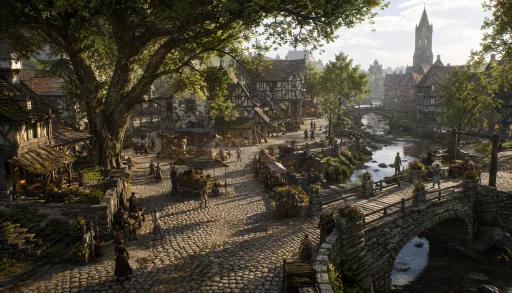
Briarbrook moves with the gentle confidence of a place that has nothing to prove before noon. Cobbled lanes curve beneath old trees, stone ovens breathe warm bread into the air, and the slow river murmurs past gardens, footbridges, and shaded tavern doors. The town is bright without being loud, comfortable without being dull, and full of the sort of neighborly attention that can spot a secret from three streets away.
Its charm lies in how easily rank seems to loosen here. Fine sleeves brush against work aprons in the market, noble laughter spills beside common gossip, and tavern tables have a way of making titles feel temporarily negotiable. Tradition still matters, but it wears softer boots than in sterner places, allowing pride, mistakes, flirtation, and second chances to mingle beneath the same low rafters.
In Briarbrook the quiet places often reveal the loudest truths. It is where bruised ambition can become discipline, where ridiculous schemes can hide real stakes, and where comfort makes it harder to pretend pain is noble. Beneath the bread-sweet air and easy smiles, the town keeps its whispers close — not cruelly, just carefully.
House Greenwell is an ancient noble lineage deeply associated with stewardship, diplomacy, agriculture, and harmony between civilization and the natural world. Unlike many aristocratic houses who isolate themselves behind layers of ceremony and status, the Greenwells are widely respected for remaining accessible to common folk, often walking among farmers, craftsmen, hunters, and villagers as equals rather than distant rulers.
Centered in the fertile lands surrounding Stonebrook, House Greenwell maintains influence through trust, fairness, and long-standing community loyalty rather than fear or political coercion. Their estates are known less for lavish excess and more for natural beauty, open courtyards, thriving farmland, preserved woodland, and communal gathering spaces. Greenwell nobles are frequently seen participating directly in festivals, harvests, local disputes, and seasonal traditions alongside the people they govern.
Though often perceived as gentle or overly idealistic by rival houses, the Greenwells possess quiet political intelligence and enduring resilience. They value stability, sustainable growth, honest diplomacy, and practical leadership over displays of wealth or dominance. Their reputation for fairness has made them trusted mediators in disputes between nobles, merchants, and rural communities alike.
House Greenwell believes nobility is not measured by distance from the people, but by responsibility toward them.

- Beloved Rural Nobility
- Natural Stewards
- People-First Leadership

- Stubborn Survivors
- Endless Adaptation
- Ordinary Trouble
Human
Humans arrive in the world without obvious advantages, which seems rude until they start turning that lack into everybody else’s scheduling problem. They build shelters where storms insist they should not, raise banners over places that keep trying to kill them, and make tools from whatever is close enough to grab. Give them a broken road, a bad season, and one questionable plan, and somehow there is a village there by spring. Annoying? Absolutely. Effective? Tragically, yes.
Their lives burn quickly compared to longer-lived peoples, and that urgency shapes everything they touch. They chase love, power, safety, glory, revenge, comfort, and terrible ideas with the same dangerous momentum. A human court can become a battlefield with better clothing, while a frontier camp can turn into a kingdom if enough stubborn fools agree to keep hammering posts into the mud. They do not always know when to stop, which is charming right up until it becomes a siege.
What makes humans significant is not perfection, purity, or some grand destiny conveniently gift-wrapped by the heavens. It is variety under pressure. They can be farmers, soldiers, rulers, wanderers, cowards, lovers, tyrants, protectors, liars, and heroes before lunch if the day is especially rude. They are ordinary in the way flint is ordinary: dull in the hand until struck, then suddenly full of fire.